A warehouse is more than just a place for stacking industrial parts and products. It’s a dynamic environment where items are frequently moved in and out of storage containers and racks for shipping. Despite having effective warehouse management and advanced software, safety can still be compromised if proper precautions are not taken.
Warehouse accidents can result from improper rack management, excessive loading, incorrect stacking, and other factors. These accidents often lead to severe outcomes such as injuries, reduced productivity, and damage to goods, with some even resulting in fatalities. Therefore, prioritizing warehouse safety is crucial. The Occupational Safety and Health Administration (OSHA) provides specific guidelines and regulations to safeguard both products and workers in warehouses. This blog covers essential OSHA safety tips that warehouse owners and workers should be aware of. Stay tuned.
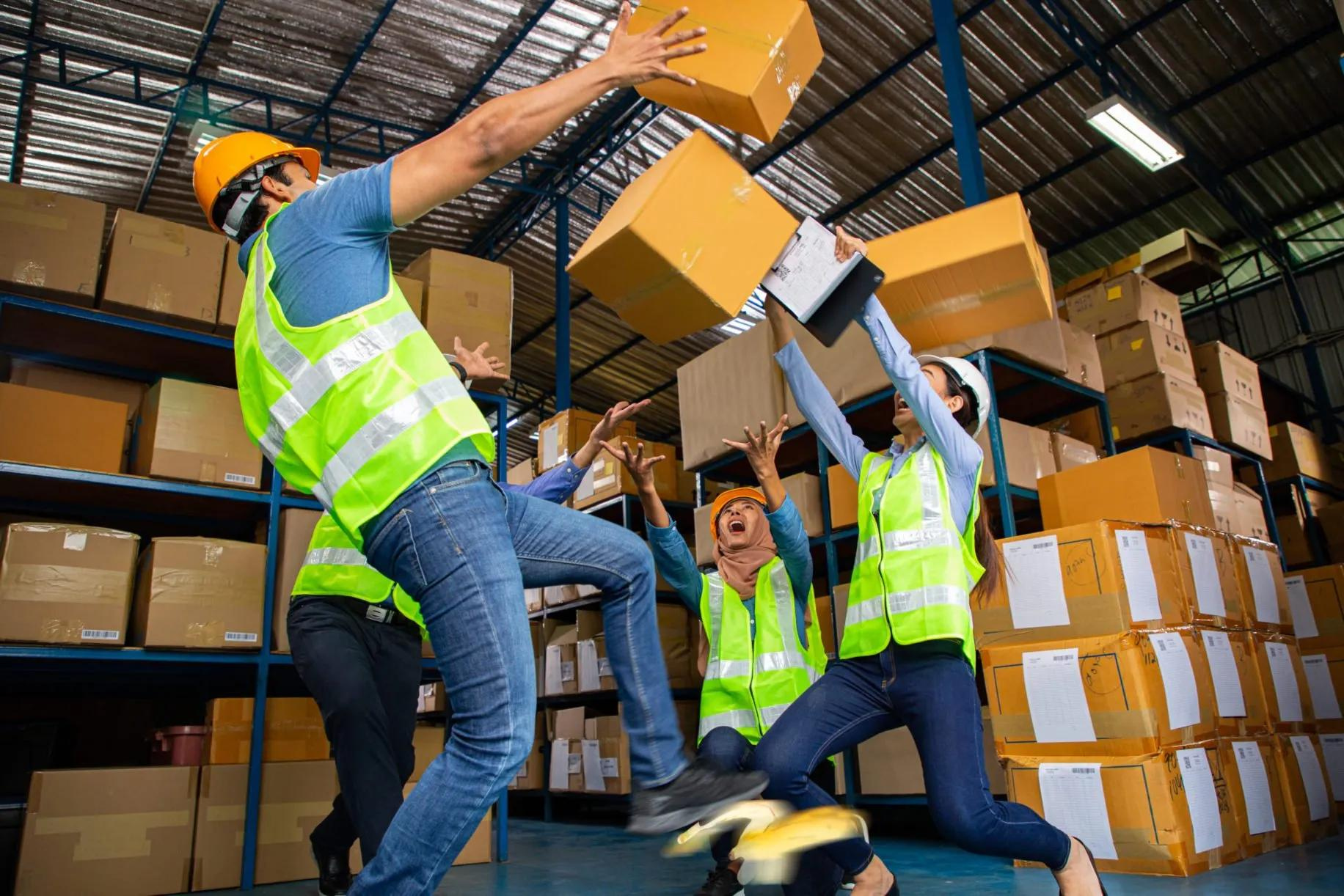
Warehouse Safety – OSHA Statistics and Tips
Here are some key warehouse safety tips to consider:
Organize Safety Training Sessions: Regular training sessions are crucial for maintaining warehouse safety. These should cover proper lifting techniques, equipment usage, emergency procedures, and more. Training helps employees recognize potential hazards and prevent accidents.
Keep Aisles Clear: Always keep warehouse aisles free of obstructions. Avoid leaving boxes and other items in the aisles and designate specific areas for storage and staging. This prevents tripping hazards and ensures safe movement for workers.
Use Proper Lifting Techniques: Handling heavy objects is common in warehouses, but improper lifting can cause strain and injury. Provide training on correct lifting techniques, such as bending at the knees and using leg muscles, and ensure the use of well-maintained material handling equipment.
Use Proper Personal Protective Equipment (PPE): Ensure the use of appropriate PPE, such as hard hats, safety glasses, and gloves. Employers should supply necessary PPE and enforce its consistent use.
Properly Maintain Equipment and Machinery: Essential equipment like forklifts, pallet jacks, and conveyors should be regularly maintained to prevent accidents. Employers should adhere to maintenance schedules and address repairs promptly.
Monitor Temperature and Humidity Levels: Maintain safe temperature and humidity levels to protect worker safety and product integrity. Regularly monitor these conditions and take corrective actions as needed.
Label Hazardous Materials: Properly label hazardous materials with warning signs and handling instructions. Train employees on the safe handling of these materials.
Have Emergency Procedures in Place: Establish and document emergency procedures for situations like fires or chemical spills. Ensure workers are trained on these procedures and know how to respond in emergencies.
FAQ’s
Why is regular safety training important for warehouse employees?
Regular safety training is crucial because it educates employees about proper lifting techniques, equipment usage, and emergency procedures. This helps them recognize and avoid potential hazards, reducing the risk of accidents and injuries in the warehouse. Training ensures that employees are prepared to handle various situations safely and effectively.
How can keeping aisles clear improve warehouse safety?
Keeping aisles clear helps prevent tripping hazards and ensures that workers can move around safely. When aisles are free of obstructions, it reduces the risk of accidents and allows for smooth, efficient movement of goods and personnel. Designating specific storage and staging areas also helps maintain order and safety in the warehouse.
What are the proper lifting techniques that should be taught to warehouse workers?
Warehouse workers should be trained to use proper lifting techniques to prevent injuries. This includes bending at the knees rather than the back, keeping the load close to the body, and using leg muscles for lifting rather than the back. Additionally, workers should use appropriate material handling equipment when necessary to avoid overexertion.
What types of personal protective equipment (PPE) are essential in a warehouse setting?
Essential PPE for warehouse settings includes hard hats, safety glasses, gloves, and steel-toed boots. Each type of PPE is designed to protect against specific hazards such as falling objects, sharp edges, and heavy machinery. Employers should provide these items and ensure that they are used consistently by all employees.
Why is equipment maintenance important for warehouse safety?
Regular maintenance of warehouse equipment, such as forklifts, pallet jacks, and conveyors, is crucial to prevent accidents and ensure safe operation. Well-maintained equipment reduces the risk of malfunctions and breakdowns that could lead to injuries or damage. Employers should follow maintenance schedules and address any repairs promptly to keep equipment in safe working condition.
How do temperature and humidity levels affect warehouse safety?
Temperature and humidity levels can impact both worker safety and product quality. Extreme temperatures can cause discomfort and health issues for workers, while improper humidity levels can damage sensitive products. Regular monitoring and control of these environmental factors help maintain a safe and efficient warehouse environment.
What should be included in the labeling of hazardous materials?
Hazardous materials should be labeled with clear warning signs and information about safe handling procedures. Labels should include details about the nature of the hazard, proper storage conditions, and emergency response actions. Training workers on how to handle these materials safely is also essential to prevent accidents.
What are some effective emergency procedures that should be established in a warehouse?
Effective emergency procedures include plans for dealing with fires, chemical spills, and other potential emergencies. These procedures should be documented clearly and communicated to all employees. Regular drills and training ensure that workers know how to respond quickly and safely in case of an emergency, minimizing the risk of injury and damage.
Conclusion
Prioritizing warehouse safety is key to preventing accidents and ensuring a productive work environment. Implementing safety training, keeping aisles clear, using proper lifting techniques, and maintaining equipment are essential steps. These practices protect both employees and products, enhancing overall efficiency.