
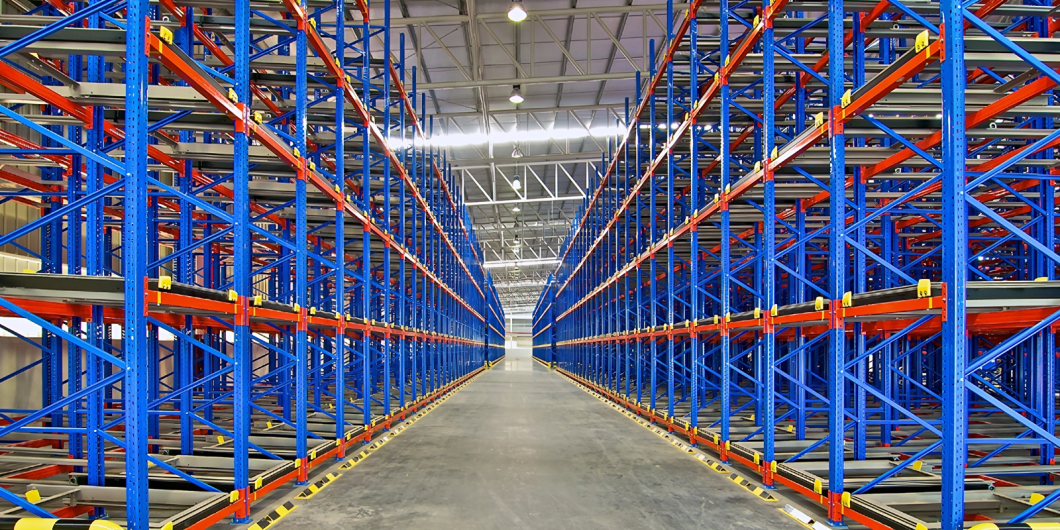
Selective pallet rack, also known as single-deep pallet rack, is a widely used racking system that allows for direct access to any pallet without needing to move others. Although it is the most common type of pallet rack globally, it might not be the optimal choice for every warehouse. This article will examine the factors to consider when selecting racking, the benefits and possible disadvantages of selective racking, and how to assess if it suits your warehouse needs.
Factors to Consider When Choosing Racking
When choosing the type of racking for your warehouse, it is crucial to consider the ratio of stock-keeping units (SKUs) to the number of pallets stored. The more SKUs you have, the greater the need for selectivity and accessibility. Conversely, with fewer SKUs, selectivity becomes less critical. To ensure your warehouse setup meets your specific requirements, it is vital to engage a professional warehouse design and pallet rack installation team to customize your racking system.
Advantages of Selective Racking
Selective pallet rack offers several advantages over other types of pallet racking:
Selectivity
One of the most significant advantages of selective pallet rack is its high level of selectivity. With single-deep selective racking, any pallet in the warehouse can be accessed at any time without moving other pallets.
Cost-effectiveness
Another advantage is that it is generally the least expensive type of racking available, considering the additional storage space gained in relation to the cost paid by the end-user.
Accessibility
Selective racking is also easy to install and maintain, requiring no specialized equipment or additional infrastructure to function properly. This makes it an excellent choice for warehouses that need to quickly and easily access their inventory without disrupting other stored items.
Versatility
Selective pallet racking is suitable for various product types and sizes, making it a versatile option for many different types of businesses.
Reduced handling time
With selective racking, unnecessary “touches” can be eliminated, speeding up the process of retrieving and storing pallets and enhancing overall efficiency
Drawbacks of Selective Pallet Rack
While selective pallet rack offers many benefits, there are also potential drawbacks to consider when determining if it is suitable for your warehouse:
Lower storage density
One significant drawback is that selective racking requires one aisle for every row of pallet racks. This can lead to lower storage density compared to higher-density systems like drive-in racks, limiting the available storage space in a warehouse.
Higher floor space requirements
The necessity for aisles in selective racking systems can require more floor space compared to higher-density alternatives. This can be an issue for warehouses with limited space or high rental costs.
Limited selectivity for bulk storage
Selective racking may not be ideal for warehouses needing high-density bulk storage. In such cases, alternatives like push-back racks or drive-in racks might be more appropriate.
Potential safety hazards
Selective racking can pose safety risks if not correctly installed or used. Overloaded racks, improperly stacked pallets, and limited visibility for forklift operators in narrow aisles can increase the risk of injuries.
Higher labor costs
The need for more aisles and potentially smaller lift trucks can lead to higher labor and equipment costs to operate selective racking effectively, resulting in increased labor expenses compared to other racking types.
Is Selective Pallet Rack the Right Fit for Me?
Selective pallet rack offers many benefits, including high selectivity and cost-effectiveness, but it may not be suitable for every warehouse. When choosing a racking system, it is crucial to consider the ratio of SKUs to the number of pallets being stored. Additionally, a significant drawback of selective racks is the need for numerous aisles, which can affect storage density. To ensure your warehouse setup meets your specific requirements, consult with a warehouse layout and design specialist.
Determining whether selective pallet rack is the best option for your warehouse is not straightforward. Each warehouse has unique challenges and each business has distinct goals. Therefore, it is highly recommended to seek a professional opinion from a warehouse layout and design specialist.
FAQ’s
What is selective pallet racking?
Selective pallet racking, also known as single-deep pallet racking, is a system that allows for direct access to any pallet in the warehouse without needing to move other pallets. It is the most commonly used type of pallet racking worldwide.
What are the main advantages of selective pallet racking?
The main advantages include high selectivity, cost-effectiveness, easy installation and maintenance, versatility for various product types and sizes, and reduced handling time due to the elimination of unnecessary pallet movements.
What are the potential drawbacks of selective pallet racking?
Potential drawbacks include lower storage density due to the need for aisles between each row of racks, higher floor space requirements, limited suitability for high-density bulk storage, potential safety hazards if not properly installed or used, and higher labor costs due to the need for more aisles and smaller lift trucks.
How does selective pallet racking compare in cost to other racking systems?
Selective pallet racking is generally the least expensive type of racking available when considering the additional storage space gained in relation to the cost paid by the end-user.
Is selective pallet racking suitable for all types of warehouses?
No, selective pallet racking might not be suitable for every warehouse. It is essential to consider factors such as the number of SKUs compared to the number of pallets stored, the available floor space, and the specific needs of your warehouse.
How does the number of SKUs affect the decision to use selective pallet racking?
The more SKUs you have, the greater the need for selectivity and accessibility, making selective pallet racking a good choice. Conversely, with fewer SKUs, the need for selectivity is less critical, and other racking systems might be more suitable.
What are some alternative racking systems for higher-density storage needs?
For higher-density storage needs, alternatives such as drive-in racks, push-back racks, or double-deep racking systems might be more appropriate, as they offer higher storage density compared to selective pallet racking.
What safety considerations should be kept in mind with selective pallet racking?
It is crucial to ensure that racks are properly installed and used to avoid overloading, improper stacking of pallets, and limited visibility for forklift operators in narrow aisles, which can pose safety hazards.
Why is it important to consult a warehouse layout and design specialist when choosing a racking system?
Each warehouse has unique challenges and specific goals, making it essential to consult a warehouse layout and design specialist. They can provide a professional opinion and help tailor the racking system to meet your specific requirements effectively.
How can I determine if selective pallet racking is the right fit for my warehouse?
Assess your warehouse’s needs by considering the ratio of SKUs to pallets, available floor space, storage density requirements, and overall operational goals. Consulting with a warehouse layout and design specialist can provide valuable insights and help determine the best racking solution for your warehouse.
Conclusion
Selective pallet racking is a popular and cost-effective option offering high selectivity and easy access. However, it may not suit every warehouse, especially those needing high-density storage or with limited space. By considering your warehouse’s specific needs and consulting with a design specialist, you can determine if selective pallet racking is the right choice for optimizing your storage efficiency and safety.
Lay your racking out bay by bay and get the full parts list - frames, beams, decking and safety items, with capacities and row dimensions.
Open the Pallet Rack Builder →