
Pallet racks are essential in warehouse operations, offering an efficient way to store and organize goods. At the heart of these systems are pallet rack beams, which bear the weight of stored items and provide the foundation for efficient storage. While pallet racks are versatile and customizable, the concept of interchangeable beams raises questions about compatibility, safety, and functionality. Here’s everything you need to know before clipping in interchangeable pallet rack beams.
What Are Interchangeable Pallet Rack Beams?
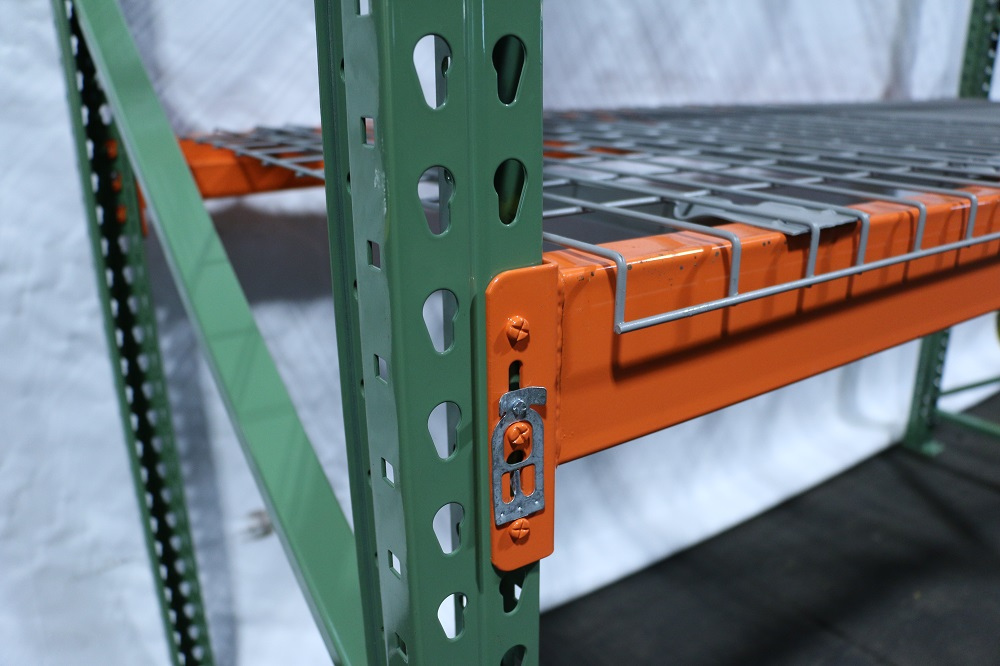
Interchangeable pallet rack beams refer to crossbeams designed to fit multiple upright frames, regardless of the manufacturer. These beams aim to offer flexibility for warehouses with mixed-brand racking systems, minimizing the need to stick to one vendor.
Are Pallet Rack Beams Truly Interchangeable?
Not always. Despite the term “interchangeable” pallet rack beams aren’t universally compatible. Variations in:
- Connector Types: Manufacturers use unique clip or bolt designs, such as teardrop, keystone, or slotted patterns.
- Load Capacities: Even if connectors match, beams may not support the intended weight without risk.
- Safety Standards: Some beams may not comply with regulatory or manufacturer guidelines when used with different uprights.
📚 Also Read: How to Safely Stack Empty Pallets: Best Practices for Warehouse Safety
Key Considerations Before Interchanging Beams
- Check Connector Compatibility
The most common connector design is the teardrop style, but even within this category, hole sizes, spacing, and locking mechanisms vary. Always ensure the beam and upright frame connectors align perfectly. - Verify Load Capacities
Each beam and frame combination has a specific load rating. Using a beam designed for one system with a frame from another can result in overloading or collapse. Always verify the manufacturer’s load capacity chart for the specific configuration. - Inspect for Wear and Damage
Used beams often show signs of wear or bending, which compromises safety. Ensure all components are in good condition before integration into your racking system. - Follow Regulatory Guidelines
Standards such as RMI (Rack Manufacturers Institute) or OSHA (Occupational Safety and Health Administration) guidelines must be met when assembling pallet racks. Using incompatible beams might void compliance and pose safety risks. - Test Stability
A secure fit is critical. Interchanged beams should clip in firmly, with no looseness or wobble. Test the stability of the racking system before loading.
Benefits of Using Interchangeable Beams
- Cost Savings: Interchangeable beams reduce the need to purchase brand-specific replacements.
- Flexibility: Ideal for warehouses with varying storage requirements or existing mixed-brand racks.
- Scalability: Easily expand storage systems without being tied to a single manufacturer.
Drawbacks of Interchanging Beams
- Compatibility Issues: Mismatched beams can compromise structural integrity.
- Safety Risks: Incorrect configurations can lead to collapses or injuries.
- Warranty Voids: Manufacturers often void warranties when components from different brands are mixed.
Expert Tips for Safe Integration
- Consult a Professional: Seek guidance from a pallet rack engineer or supplier to evaluate compatibility.
- Use Same-Brand Components Where Possible: This ensures alignment, load capacity, and warranty coverage.
- Conduct Regular Inspections: Check beams and uprights for alignment, damage, and load-bearing capability.
- Label Components: Clearly mark interchangeable beams to prevent accidental mismatches during reassembly.
Conclusion
Interchangeable pallet rack beams can be a practical solution for warehouses looking to optimize storage with existing resources. However, safety and compatibility should never be compromised. By thoroughly checking connector types, load ratings, and regulatory standards, you can ensure your racking system operates safely and efficiently.