When business is booming, one of the few drawbacks is the increasing shortage of space in your warehouse. The idea of slowing down, taking fewer orders, or spending more money to meet rising demands can be unappealing, as it might threaten the profits you’ve worked so hard to earn. Unfortunately, many businesses address this issue by overloading their pallet racking systems. What starts as a temporary measure during peak times can easily become a regular practice year-round, with disastrous effects only becoming evident when it’s too late.
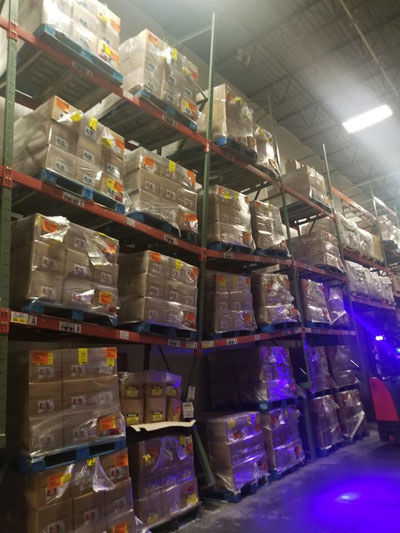
Here are some of the dangers associated with overloading your pallet racking systems.
Risk to Your Inventory
When you logically consider what happens when inventory is overloaded on pallet racking systems, it becomes clear how easily they can become damaged or destroyed. The most obvious scenario is that the pallet racking system will bear a load exceeding its capacity, causing it to collapse and potentially send all stored items crashing onto a hard floor. Additionally, densely packed goods can suffer water damage or mold, depending on the type of stock and storage conditions. This inevitably leads to future difficulties, such as replacing and removing damaged stock and addressing the original need for new storage systems to handle excessive inventory. It\’s always better to act preemptively and address this issue first.
Risk to Your Plant and Equipment
In a busy warehouse, it is common to find various machines operating around pallet racking systems. The strain placed on overloaded pallet racking systems can extend to your plant and equipment. Forklifts will buckle under the excessive weight they are forced to carry, making them work much harder than necessary. The warehouse itself may also incur damage, as collapsing racking systems and machinery will not fall gently. Human error must also be considered; when staff are required to handle tasks beyond their usual responsibilities (such as managing overloaded racking systems), they are more likely to drop stock, misuse machinery, and incur costs that outweigh any savings.
Risk to Your Staff’s Safety
Speaking of your employees, it’s important to remember the risks overloaded racking systems pose to them. While we often focus on the potential damage to property or operations, our workers are constantly near heavy, increasingly unstable equipment or tasked with moving unsafe loads on pallets. It doesn’t take much imagination to envision the injuries they could suffer, and no cost-saving measures are worth that risk.
FAQ’s
Why is overloading pallet racking systems a common issue during busy times?
During peak times, businesses often face increased demand and limited warehouse space. To avoid slowing down operations or incurring extra costs for additional storage, they may temporarily overload pallet racking systems. Unfortunately, this temporary measure can easily become a regular practice, leading to significant risks and potential damage.
What are the main dangers of overloading pallet racking systems?
Overloading pallet racking systems can lead to several dangers:
- Structural Collapse: Exceeding load capacity can cause the racking system to collapse, sending stored items crashing to the ground.
- Damage to Goods: Densely packed goods may suffer water damage or mold, especially if storage conditions are poor.
- Equipment Strain: Overloaded systems can place excessive strain on machinery like forklifts, leading to equipment failure.
- Safety Hazards: Employees working near unstable racking systems are at risk of injury from collapsing structures or unsafe loads.
How does overloading affect warehouse equipment?
Overloading can significantly strain warehouse equipment. Forklifts, for example, may buckle under excessive weight, causing them to work harder and potentially fail. Additionally, collapsing racking systems can damage machinery and other warehouse infrastructure, leading to costly repairs and downtime.
What impact does overloading have on warehouse safety?
Overloading racking systems poses serious safety risks to employees. Workers are often near heavy, unstable equipment or transporting unsafe loads, increasing the likelihood of accidents and injuries. Ensuring that racking systems are not overloaded is crucial for maintaining a safe work environment.
What are the long-term consequences of overloading pallet racking systems?
Long-term consequences of overloading include:
- Frequent Stock Damage: Regular overloading leads to recurring stock damage and loss.
- Increased Repair Costs: Repeated strain on racking systems and equipment results in higher maintenance and repair costs.
- Reduced Efficiency: Handling overloaded systems can slow down operations and reduce overall efficiency.
- Employee Turnover: Unsafe working conditions may lead to higher employee turnover and increased training costs for new hires.
What preventive measures can businesses take to avoid overloading pallet racking systems?
Businesses can take several preventive measures:
- Regular Inspections: Conduct routine inspections to ensure racking systems are not overloaded and are in good condition.
- Proper Training: Train employees on safe loading practices and the importance of adhering to weight limits.
- Adequate Storage Solutions: Invest in additional storage solutions or optimize existing space to handle increased inventory.
- Load Monitoring: Implement load monitoring systems to track weight and prevent overloading.
Why is it important to address overloading issues proactively?
Addressing overloading issues proactively is crucial to prevent structural damage, equipment failure, and employee injuries. Taking preventive measures ensures a safer work environment, reduces long-term costs, and maintains operational efficiency, ultimately protecting the business’s bottom line.
Conclusion
While overloading pallet racking systems may seem like a cost-saving measure during peak times, the risks to inventory, equipment, and employee safety are substantial. Proactively addressing overloading with regular inspections, proper training, and adequate storage solutions ensures a safer, more efficient warehouse. Protecting racking systems not only safeguards assets but also supports long-term growth and profitability.