
Every warehouse using electric pallet trucks faces the potential for accidents and injuries. From minor incidents like bumps and bruises to more severe outcomes such as crushed limbs or even fatalities, the risks are significant. By familiarizing yourself with the content of this electric pallet jack guide, you can gain insight into these hazards and take proactive steps to protect your employees effectively.
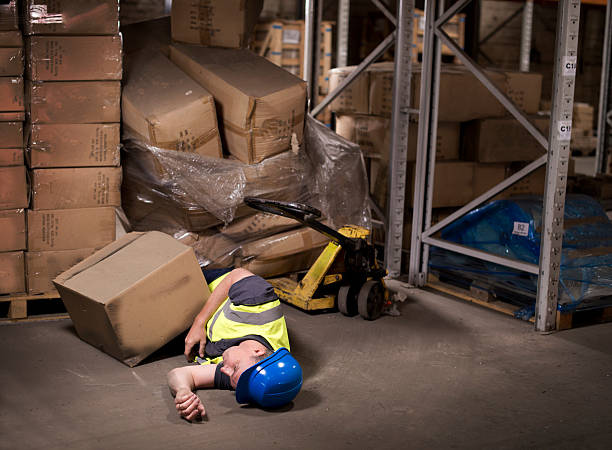
What are the most common electric pallet jack injuries?
Various injuries can occur with electric pallet jacks, but certain ones are more prevalent. These common injuries include:
- Strains and Sprains – Typically occurring when operators lift or move heavy loads instead of using the equipment properly, leading to muscle and joint injuries, particularly in the back, shoulders, and wrists.
- Crush Injuries – Hands and feet of operators are vulnerable to getting trapped between the electric pallet jack and obstacles like racks or walls, especially in confined spaces, potentially resulting in fractures, crushed limbs, or even fatalities.
- Injury from Falling Goods – When using an electric pallet jack equipped with a mast, it’s crucial to secure the load on the forks to prevent it from falling toward operators or nearby individuals. Additionally, it’s important not to exceed the maximum rated load capacity.
- Trips and Slips – Uneven surfaces, obstacles, or wet floors can cause operators to trip or slip while operating electric pallet jacks, leading to falls that may result in tailbone injuries, bruises, or fractures.
📚 Also Read: Methods to Fix a Pallet Jack Not Lifting
How to avoid electric pallet jack injuries
To minimize electric pallet jack injuries, a combination of proper training, adherence to safety procedures, and maintaining a hazard-free work environment is essential. Consider the following guidelines:
- Training Programs – Ensure that all employees, particularly operators, receive comprehensive training on safe electric pallet jack operation. This training should cover load capacities, safe handling techniques, and awareness of surroundings.
- Pre-Operation Checks: Develop a routine for operators to inspect the pallet jack before each use. This includes checking brakes, steering, forks, and battery for any damage or malfunctions.
- Proper Safety Gear – Provide employees with appropriate personal protective equipment (PPE) such as steel-toed boots, gloves, and high-visibility vests. This helps reduce the risk of crush injuries and enhances visibility, especially in busy areas.
- Load Security: Secure loads properly on the forks using straps or nets to prevent items from falling. Never exceed the pallet jack\’s weight capacity.
- Regular Maintenance – Conduct routine maintenance checks and inspections on electric pallet jacks to identify and address any mechanical issues promptly, minimizing the potential for accidents due to malfunctions.
- Clear Communication – Establish clear communication protocols, such as hand signals or audible warnings, to alert nearby workers during electric pallet jack operations and prevent incidents of entrapment or crushing.
- Organized Workspaces – Maintain well-lit, organized work areas that are free from clutter or obstructions. This ensures safe maneuvering of electric pallet jacks and reduces the likelihood of trips, falls, or collisions.
- Ergonomics: Promote proper lifting techniques to avoid muscle strain. When possible, use the electric function to raise and lower pallets instead of manual lifting.
Additionally, consider installing loading dock lights to enhance safety during nighttime operations in the warehouse.
Conclusion
By prioritizing training, safety procedures, and a hazard-free environment, the risks associated with electric pallet jack operation can be minimized. Regular checks, proper gear, load security, maintenance, communication, organized spaces, and ergonomic practices all contribute to a safer workplace. Implementing these measures reduces accidents and protects employees.